Notes & disclaimers
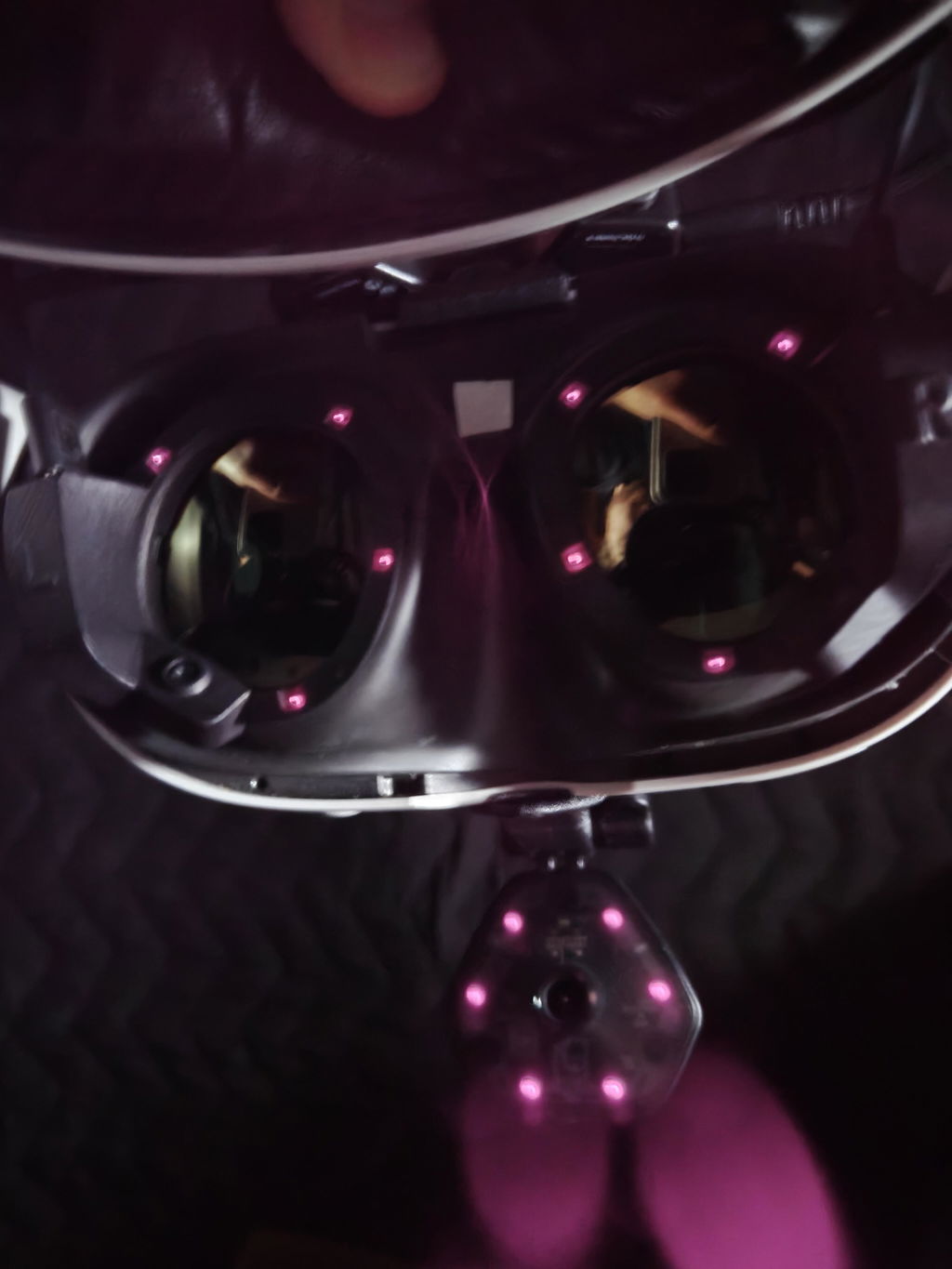
The eye-tracking module uses 940 nm near-infrared LEDs, a non-laser light source. A professional laboratory evaluated the infrared illumination system under GB/T 20145-2006, aligned with IEC 62471:2006 / CIE S 009:2002, and classified it as RG0 (Exempt Group). In normal use, the infrared light is usually invisible or only faintly visible.
Wireless connectivity depends on your headset, router and locally permitted bands. Stay close to your router or access point and use 5 GHz or 6 GHz where supported. Tracking and latency also depend on your PC, network load, interference, lighting and software version.
Charging while playing requires a headset, charger and cable that all support USB-C PD. Power delivery is up to 27W; the actual power depends on these devices and their PD negotiation.
Framed glasses may affect eye tracking. If you need vision correction, consider contact lenses or prescription lenses designed for Paper_Tracker Eye_Tracker.
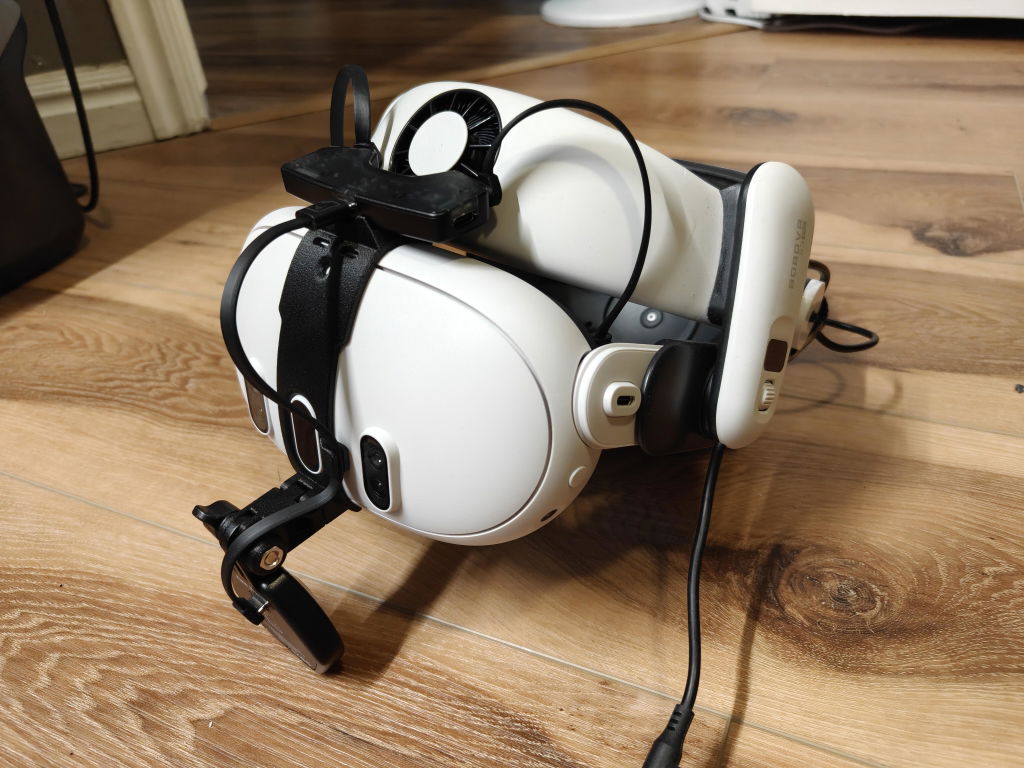
Appearance, accessories and compatibility can vary by headset model and Kit configuration. Please check the details for your selected configuration. Product images are illustrative.
Tracking models, compatibility and software features will continue to be updated. The content and timing of updates depend on the actual release.
Third-party accessories, modified parts or unsupported setups may affect fit, charging or tracking. Model performance figures on this page use an October 9, 2025 dataset snapshot, tested on an AMD Radeon RX 6800 + Ryzen 5 7500F. Results may differ with other system configurations and software versions.
Using an HTC Vive Tracker, Tundra Tracker or other SteamVR tracker requires the optional magnetic quick-release mount. Both the tracker and mount are sold separately.